
 Tonino + Wile BundleFrom 999,00 €View options
Background
Measuring and logging temperatures during roasting had become affordable. Classifying the roast color that resulted had not. The options were a set of standardized color disks, judged by eye, or laboratory-grade instruments priced well beyond what a small roasting facility could justify.
Roasters kept asking for something in between: an automated, repeatable way to put a number on roast color without a laboratory budget.
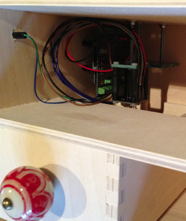
The first prototype
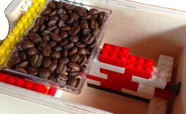
Marko, the developer of the open-source roast logger Artisan, and Paul, a human-computer interface specialist, came across an affordable true color sensor board and ordered some samples on the spot. The evening they arrived, one was wired to an Arduino and dropped into an Ikea box with some quickly assembled LEGO to hold the coffee sample.
That simple rig was already able to tell the roasts apart by color, which was enough to know the idea would work.
2014
Tonino 1.0
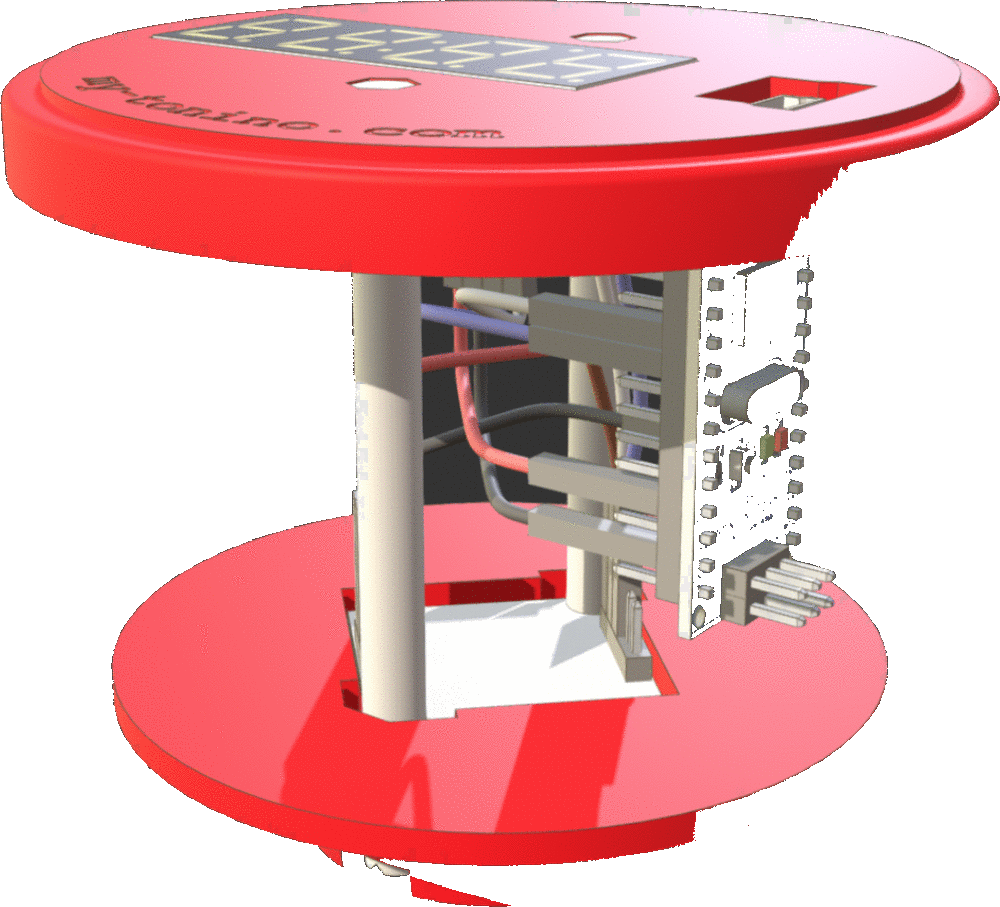
Early in 2014 the first Tonino launched. To keep production costs down, everything that could be bought off the shelf in small quantities was: the case combined a 3D-printed sensor cover with a recycled can. The one part that had to be outsourced, using expensive injection molding, was the top cover.
2016
The Tiny Tonino
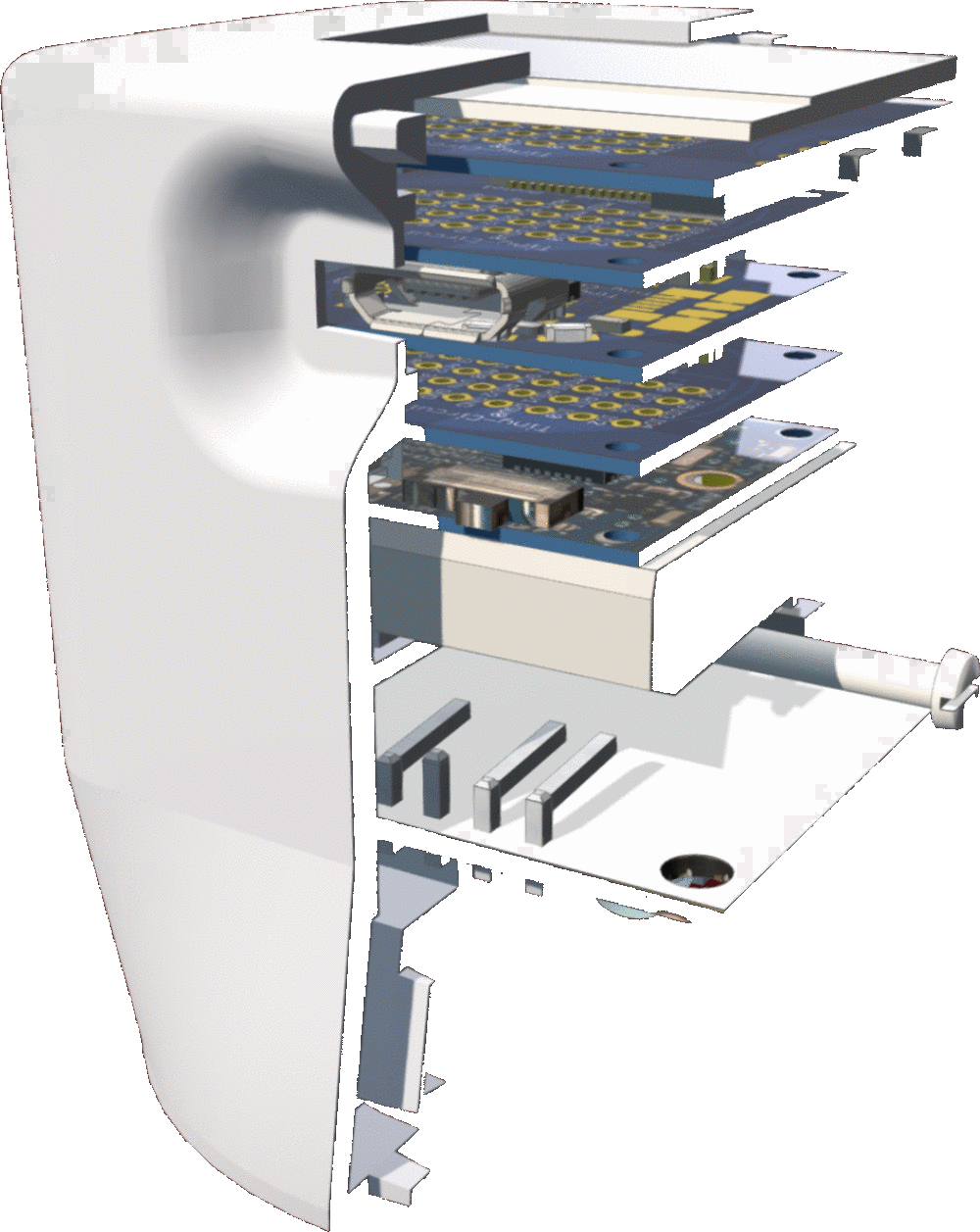
Clever as the Classic was, new electronic modules made a better product possible. The next Tonino gained a bright OLED color display and wireless operation, using components from the startup TinyCircuits in Ohio, and it shrank to something you can hold between two fingers.
Its wireless charging base is cut from Kraftplex, a fully organic material from Germany certified as safe even to children's toy standards. It is 100% cellulose, made from sustainably cultivated softwood using only water, pressure and heat. Its parts fit together without glue or screws, so it can be repaired rather than thrown away.
Thanks to Sonia, Çetin, Jürgen, Ralf and Rami for their support along the way.

Tonino
Open-source color meter
700,00 €
Bundle and save
Tonino + Wile BundleFrom 999,00 €View options